
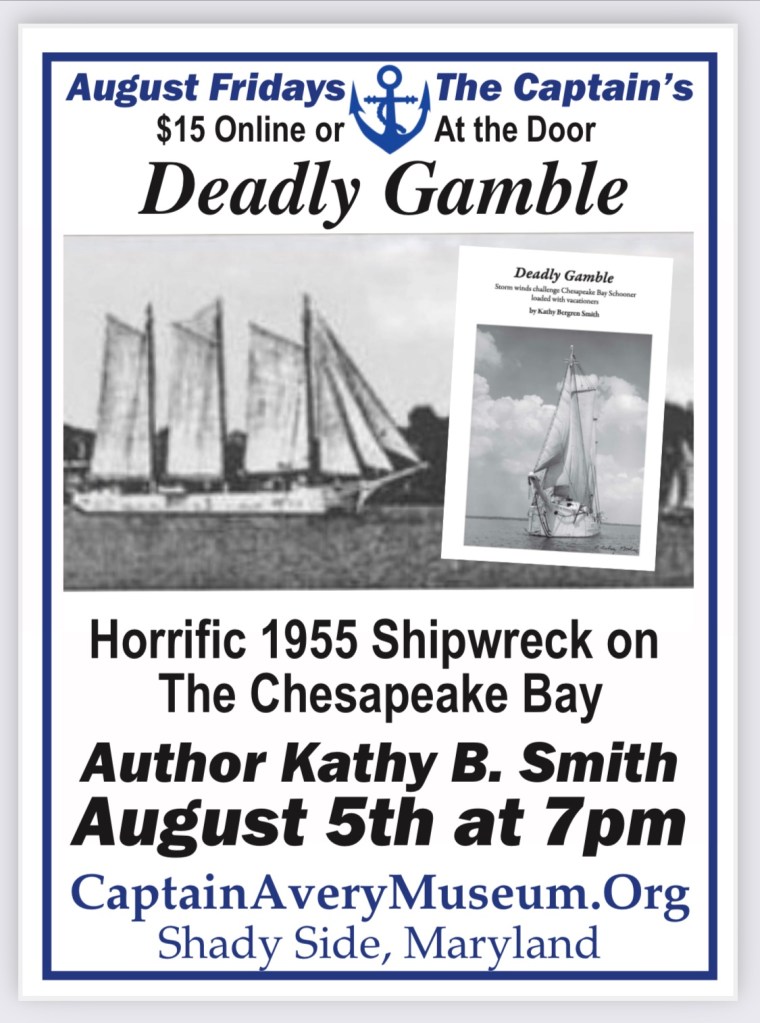
For more info-
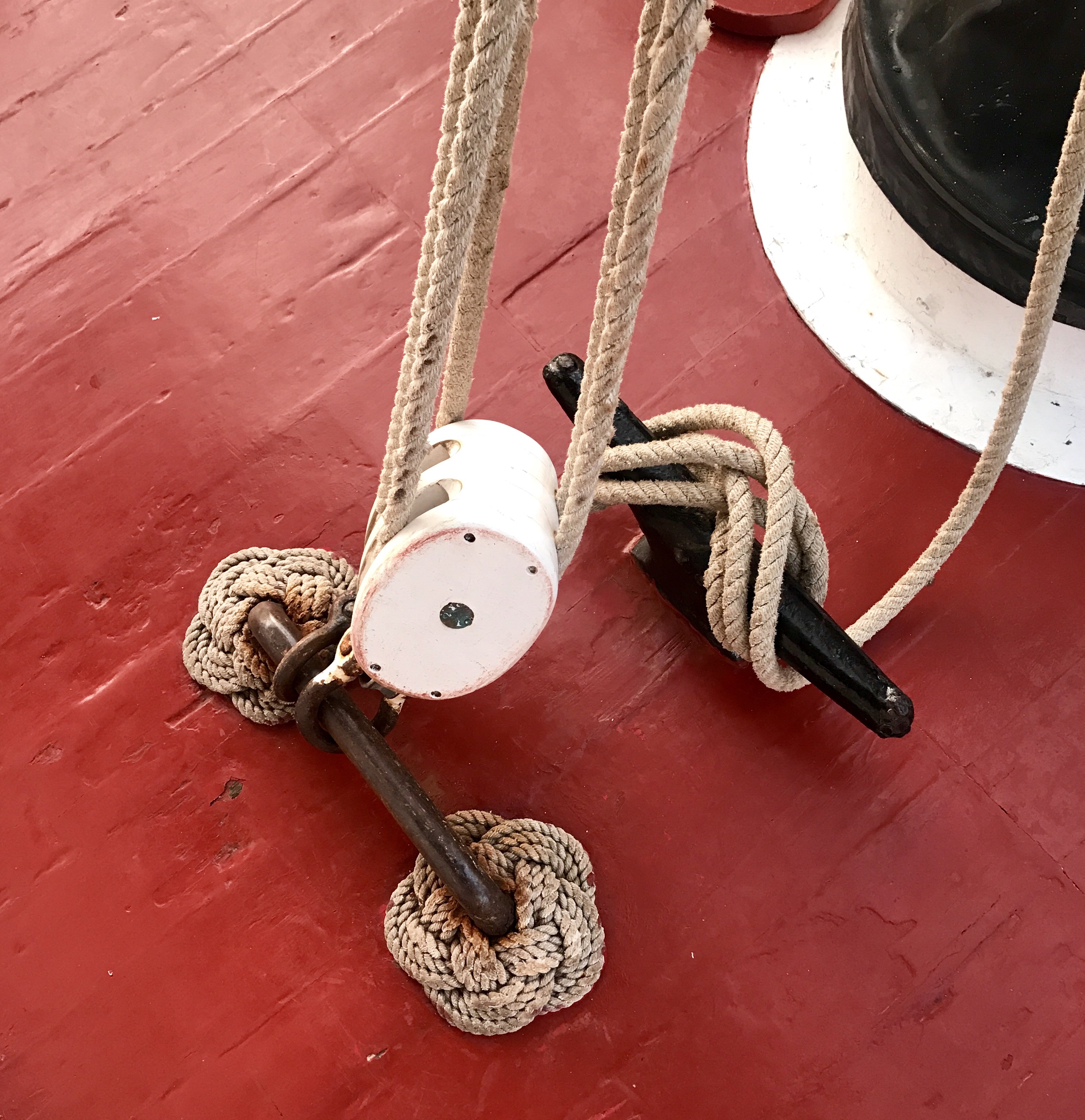
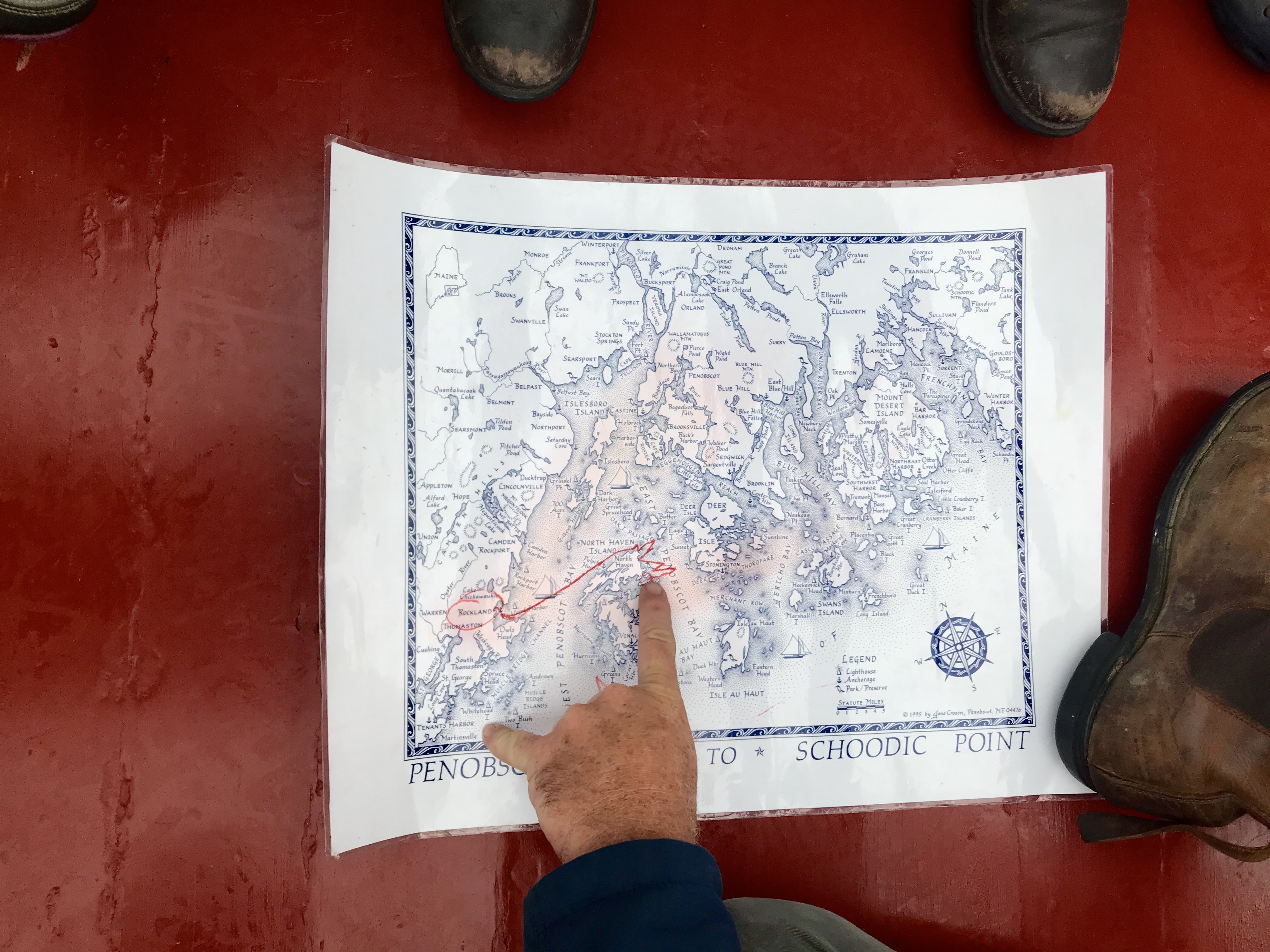
It’s one thing to talk to people who sailed on the Levin J Marvel, listening to their stories of sailing aboard a three-masted schooner in a stiff breeze. It is quite another to experience the heft of the lines, the smell of old wood, the taste of warm coffee in the pouring rain on the deck of her sister ship. What luck that the Victory Chimes is still sailing passengers on cruises from Rockland , Maine, and how lucky the researcher who gets to ride along with Capt. Sam Sikkema in his first season as the vessel’s owner!
The Victory Chimes was built in the same shipyard, for the same owner, for the same service, just after the Marvel, in 1900. The boats were two sides of the same coin, as it would happen. In the flip of that coin, the Marvel lost.
The ships are not identical, the Victory Chimes (christened Edwin & Maud) was a little better looking, with a little more shear and was maintained better after her cargo hauling days. The Edwin & Maud left the Chesapeake for Maine in 1954 and took her name from newspaper headlines on Armistice Day “Victory Chimes!” In 1957, Frederick Boyd Guild took her helm for the next three decades. Under his command, the Victory Chimes was dubbed the “Queen of the Windjammer Fleet.”
The ship left Maine for a Great Lakes sojourn then returned as a corporate yacht of Dominoes Pizza, renamed Domino Effect. She was meticulously restored in Boothbay Harbor at Sample’s Shipyard. But in 1987, the Pizza Magnate, Tom Monaghan, was ready to sell the ship to a Japanese group that planned to convert it to a sushi restaurant far from Maine. The Domino’s fleet captain, Paul DeGaeta and her captain, Kip Files couldn’t bear to see the vessel go to Japan, so they purchased it.
By the ship’s one-hundredth anniversary, Victory Chimes was on the National Register of Historic Landmarks. Sailing passengers around Penobscot Bay whose parents had come aboard as children.
After 28 years, Files and DeGaeta found themselves ready to sell. With a price tag of $1.5 million, and a million things to go wrong and need replacing on the 118 year old ship, there were no takers. Once again, a young captain, worried that it would end up as a restaurant, took a chance.
Sam Sikkema, had sailed with Capt. Files on the final voyage of a New England whaler and started filling in on the Chimes. He freely admits to falling in love with the ship. His enthusiasm and plans to bring a new audience to the Chimes with music, yoga and whiskey tastings, convinced the bank in nearby Camden to make him a mortgage loan.
Once again, the old girl won the coin toss, by landing tails, where the Victory Chimes appears on the Maine State Quarter.
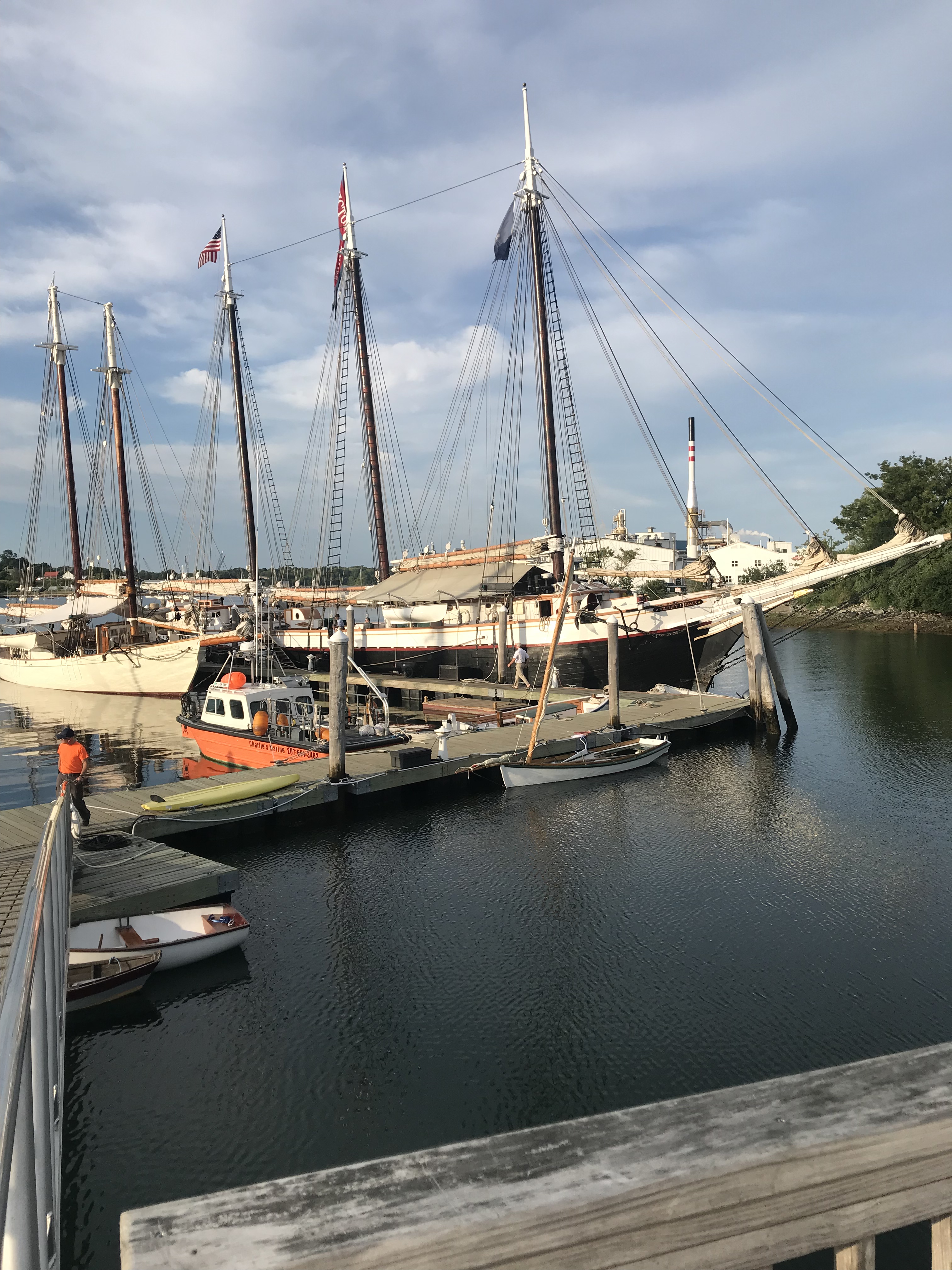
It turns out the John Meckling, captain of the Levin J Marvel, was not all wrong in thinking he could make a go of taking passengers on an old cargo schooner and showing them a good time under sail. Last week, in the name of research, your faithful storyteller took a trip to Maine to experience the “Vagabond Adventure” of sailing on the Victory Chimes. The ‘Chimes,’ is part of the Maine windjammer fleet that sails from Rockland. It is also the sister ship of the Levin J Marvel, built in the same yard, within months of the Marvel.
This summer is the inaugural season for the Victory Chimes’ new owner/captain Sam Sikkema. The veteran of blue water tall-ship sailing is anxious to show the fleet that the Chimes can really sail. He says people have come to view the ship, which appears on the Maine state quarter, as a landmark that “just gets pushed around by her yawl boat,” and he is out to prove them wrong. The 119-year old boat still has a lot of sailing to do and Capt. Sam makes sure everyone gets a good ride when they come aboard.
The old schooner was built in 1891 and had spent a career hauling timber from North Carolina to Baltimore and returning with fertilizer. The three-master had squat lines, like a barge. Shallow draft, with a centerboard, the Marvel was also very slow. It belonged to a class of boats built in Bethel, Delaware, called “ram schooners.”
As trucks and trains became a faster and more economical option for transporting most cargoes, the freight schooners on the bay needed to find other work. Many were unceremoniously dismasted and converted into diesel powered freight boats, hauling oysters or produce from rural areas to city markets. Fate had very different plans for the Marvel and its sister, the Edwin and Maud. The big schooners were sold to Herman Knust, a former B&O Railroad executive who had a good idea for a new line of business.
He bought the boats for $18000 each in 1944 and took them to the shipyard and had them overhauled as passenger cruise vessels. The spacious cargo holds were piped with running water and built out with 17 staterooms, each with a porthole and sink. There were heads built in and a dining saloon. Knust correctly intuited that there was a market for windjammer cruises on the Chesapeake on the rustic old boats. The idea was a “dude cruise,” with passengers getting a taste of the seafaring life by helping out lines, enjoying evenings on the deck and visiting historic ports of call like St. Michaels, Maryland, a tiny fishing village, now home to the Chesapeake Bay Maritime Museum.
Chesapeake Bay Vacation Cruises had a successful run. Knust sold the Edwin and Maud to a windjammer operator from Maine, who changed the name to Victory Chimes. This vessel, with its long history, is still operating today as a passenger cruise boat in Rockland, Maine. It is on the National Register of Historic Landmarks and enjoys a popular following. We will report more on the Victory Chimes later this summer as the blog will be posted from the deck on the anniversary of the Marvel’s foundering.
The Marvel was not as lucky as the Victory Chimes…Knust laid her up in Salisbury, Maryland, far up the winding Nanticoke River and there she was mothballed until 1954, when John Meckling purchased her for $7500. He had dreams of reviving the dude cruises.
By then, the Marvel was in quite rough shape. Meckling and his silent partner, short of working capital, made enough repairs to the hull to get the ship back in service. Getting to Booz Brothers Shipyard Baltimore was quite a trip in itself…stay tuned for that story.
 Levin J Marvel